Butt and Scholes Baffled: Why Roy Keane’s Never Had the Man United Hot Seat
Manchester United’s post-Ferguson carousel shows no sign of slowing. Since 2013 it’s been a revolving door: David Moyes didn’t see out a full season; Louis van Gaal delivered an FA Cup then got the boot; José Mourinho lifted the Europa League and Carabao Cup but didn’t survive year three; Ole Gunnar Solskjaer and Ralf Rangnick brought stability without silverware; and Erik ten Hag won the League Cup and FA Cup in back-to-back seasons before being sacked early in his third. Ruben Amorim took over and, a year on, he’s under pressure with the poorest Premier League return of the lot.
The case for Keane, according to his old team-mates
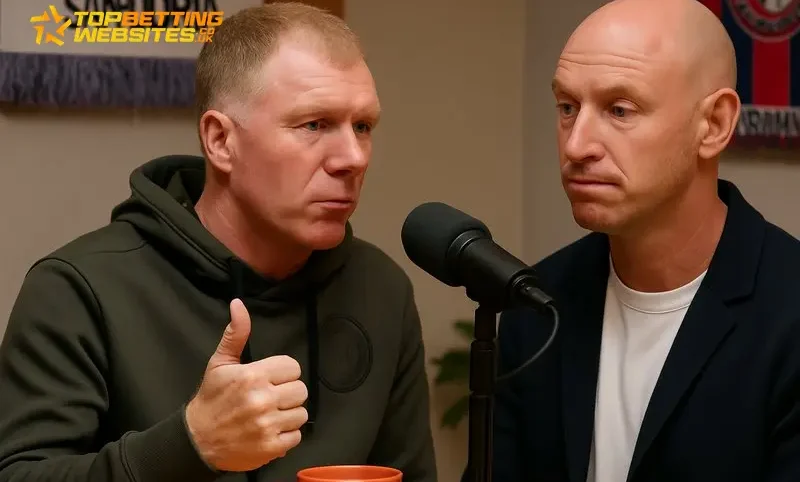
Nicky Butt can’t get his head around it: how has Roy Keane never been seriously considered for the manager’s job at Old Trafford? Speaking on The Good, The Bad and The Football podcast alongside Paul Scholes, Butt argued that Keane’s personality, authority and record — particularly his punchy work at Sunderland — should have earned at least a proper conversation. Keane, he says, is a classic big-club manager: sets standards, comes alive on match day, and knows when to bring in specialist coaches to cover any gaps.
Scholes backed it up, wondering why Keane hasn’t even been brought in as a No 2 at some point. Given Keane’s successful partnership with Martin O’Neill at international level, Scholes reckons United could have paired a head coach with Keane’s steel to sharpen the culture during the rocky spells post-2013.
Would it have worked? The romance versus the reality
There’s no denying the romance. Keane is Old Trafford royalty, a standard-setter in boots who’d demand more from a dressing room that’s drifted too often. But the reality is awkward: his last spell as a head coach was over a decade ago, with Sunderland and Ipswich, and the game has moved on. The match-day edge and cultural reset he’d bring are enticing; turning that into week-to-week, elite-level consistency is another matter entirely.
If United had pulled the trigger during one of the many crises, a Keane stabiliser role — backed by a top-tier coaching staff — might have jolted the place. Equally, in the current model-heavy era, front-office clarity and recruitment cohesion matter as much as the man in the dugout. That’s where the club has been repeatedly short.
Amorim’s present and United’s future
For now, Amorim remains in post, but the optics aren’t kind. A year into the job, results have lagged and questions mount about how long he gets if the league form doesn’t turn. The frustration from ex-players like Butt and Scholes reflects a wider fanbase itch: United crave identity as much as victories, and Keane, for many, personifies that lost edge.
As the next twist looms, expect the Keane conversation to bubble whenever United stumble — it’s catnip for supporters and pundits alike. For a broader view of the market’s temperature on managerial moves and title races, our guide to the best betting sites is a solid starting point — but keep it sensible and wager responsibly.