Gerrard’s Tunnel Truth: Why He Faked Friendships in an England Shirt
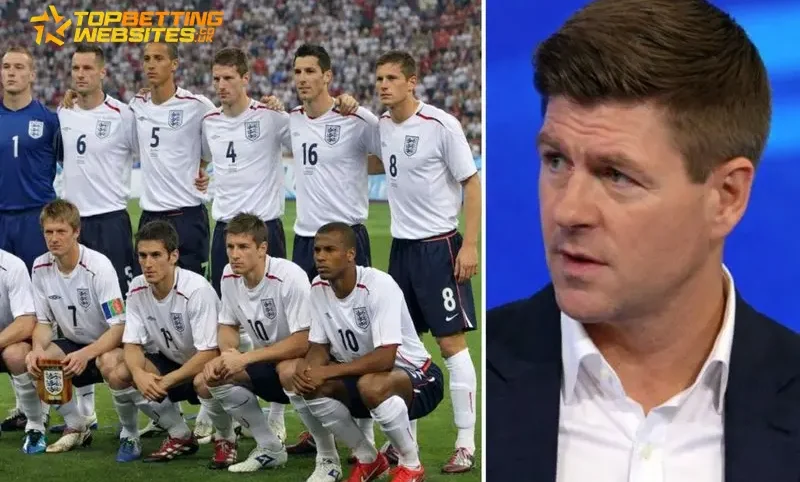
Steven Gerrard has pulled no punches about life inside England’s so‑called Golden Generation, admitting he once put on a brave face with two team‑mates — Rio Ferdinand and Gary Neville — while club battle lines were still fresh in the mind. It’s a harsh truth of that era: brilliant players, split loyalties, and a camp that never truly knitted together.
Tunnel truth: Gerrard’s faux friendships
At a live show in Belfast back in 2016, the Liverpool captain-turned-manager laid it bare. Facing Ferdinand and Neville for their clubs stirred real animosity; then international week rolled around and the smiles had to be forced. In short, he respected them as pros, but the red of Liverpool versus the red of Manchester ran too deep for friendships to flourish until the boots were hung up.
Ferdinand’s confession and the club-obsessed era
Ferdinand himself echoed the sentiment a year later on TV, reflecting on how the obsession with winning at club level cooled friendships that once felt natural. Old West Ham bonds with Frank Lampard faded once United and Chelsea were trading titles, and nobody fancied clinking bottles with the opposition a week before a top-of-the-table showdown. It wasn’t toxicity so much as tunnel vision — but it came at a price for England.
Golden Generation: glitter without silverware
For all that talent — Scholes, Gerrard, Lampard, Rooney, Ferdinand, Terry and the rest — the returns were meagre. The 2000 Euros ended at the groups; 2002, 2004 and 2006 all stalled in the quarter-finals; 2008 didn’t even feature England after a calamitous qualifying campaign; and 2010 fizzled out in the last 16. A decade of promise, precious little payoff.
Regrets and what-ifs
Gerrard later admitted the group under-delivered, noting that fate and penalties played their part but the bottom line remains: England should have gone further. Some of that generation have even wondered aloud whether a different system — not the rigid shapes we so often saw under Sven-Göran Eriksson — might have unlocked the puzzle of fitting all those stars together.
Southgate’s reset: rivals now roommates
Fast forward to the Gareth Southgate era and it’s chalk and cheese. Harry Kane has spoken about how the squad’s bond trumps club divides, and Reece James has been candid about parking rivalries at the door the moment they report to St George’s Park. The culture is cleaner, the cliques have gone, and England look like a team that enjoys each other’s company as much as the ball.
If you’re weighing up form and odds ahead of the summer, have a browse of our best betting sites hub — a timely reminder that while today’s England feels unified, club rivalries once split a nation’s greatest talents right down the middle.
The takeaway
Gerrard’s candour matters because it explains a mystery that nagged for years: how could a side so gifted never quite click? The answer lies in the psychology of the time. Respect was there in abundance; togetherness was not. The modern Three Lions, by contrast, are proof that harmony is a competitive edge all of its own — and perhaps the missing ingredient that generation could never quite find.