International breaks 2026: Full guide to men’s and women’s dates — and what they mean for your club
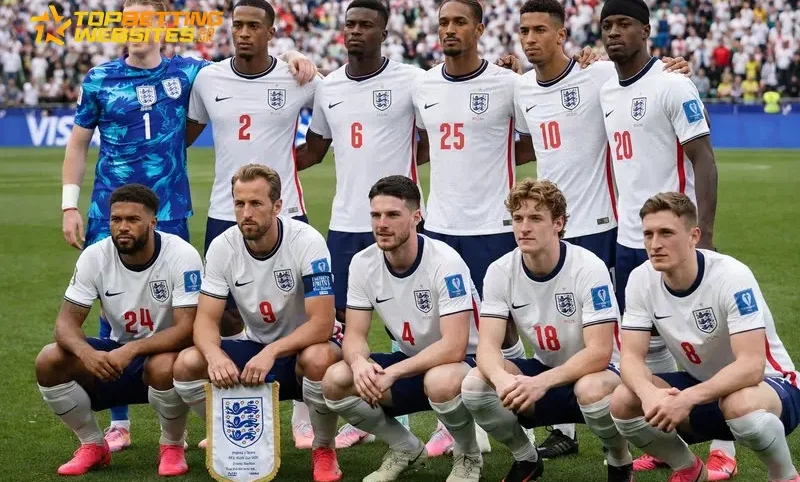
Let’s have it right: club gaffers grumble and physios brace for impact, but international breaks are catnip for national coaches hunting data, rhythm and selection answers. With a World Cup plonked right in the middle of 2026 and tidy windows either side, there’s plenty for fans, players and managers to get their heads around.
Key 2026 international dates at a glance — Men: 11 June–19 July (World Cup), 21 Sept–6 Oct (up to four matches), 9–17 Nov (two matches). Women: 5–13 Oct (Type I, up to two matches), 24 Nov–5 Dec (Type II, up to three matches).
And if you fancy a flutter while plotting the calendar, have a look at our best betting sites — always check form, fitness and travel before you back a side.
Men’s international breaks in 2026
First up, the big one: the 2026 World Cup runs from 11 June to 19 July across the USA, Canada and Mexico. Expect those three to be football’s most talked‑about destinations this summer as the global circus rolls into town.
Once the trophy’s lifted, there’s a breather from internationals — not that the players will feel it, with pre‑season around the corner and club campaigns revving up almost immediately.
Here’s the smart tweak from FIFA: instead of two choppy autumn stoppages, there’s now a single extended window from 21 September to 6 October. National teams can cram in up to four fixtures, which should slice the stop‑start feel for domestic leagues and, crucially, trim the air miles. Fewer long‑haul yo‑yos means less jet lag and an easier reintegration for the globe‑trotters when they’re back with their clubs.
The men then close out the year with a final international slot from 9 to 17 November, capped at two matches. It’s neat, tidy and, on paper, far less chaotic for everyone involved.
Women’s international breaks in 2026
On the women’s side, the year’s marquee event — the 2026 AFC Women’s Asian Cup — took place in March, setting an early competitive tone. After a brief June pause, things settle into a clear pattern towards the business end of the year.
The first main window lands 5–13 October (Type I), with up to two matches on the slate. That’s followed by 24 November–5 December (Type II), allowing up to three fixtures. For head coaches, these windows are prime real estate: experiment with new faces, nail down key roles, and test shapes under proper match pressure. Names like Lauren James, Keira Walsh and Alessia Russo continue to headline England discussions — and they’ll be central to any tactical tinkering.
What is an international break — and why does it rile club managers?
An international break is a short, scheduled pause when national teams play each other — mostly friendlies and qualifiers, with major tournament games cycling every couple of years. Under FIFA rules, clubs must release selected players, though injuries or suspensions can keep stars out of squads.
Top divisions — think the Premier League or La Liga — down tools because so many players are away. Lower tiers, like the EFL Championship or Serie B, usually crack on, but clubs can request postponements if call‑ups bite too hard. The frustration for club bosses is obvious: disrupted training, different tactical demands, and the eternal fear of a hamstring pinged half a world away.
Who benefits from FIFA’s 2026 reshuffle?
In theory, just about everyone. A single, longer autumn window should minimise domestic disruption while giving international managers proper time blocks to work. Players benefit from fewer intercontinental dashes, better recovery, and clearer rhythm. Clubs get longer uninterrupted runs to build cohesion before and after that September–October stretch.
Transfer windows and squad planning
Clubs still juggle the usual market rhythms — the summer and winter transfer windows — to reinforce around these breaks. Smart recruitment is about balancing travel loads, versatility and depth so a couple of call‑ups or knocks don’t derail a month’s worth of league form.
The bottom line
International football isn’t going anywhere — nor should it. 2026 offers a World Cup on a grand North American stage and a calendar that finally feels joined‑up. Fewer flight legs, cleaner blocks of games, and clearer pathways for both men’s and women’s sides. Managers may still moan, but the new shape gives everyone half a chance of keeping standards high at club and country level.