Ukrainian Athletics Shut Down Talk of Mudryk’s Sprint Switch
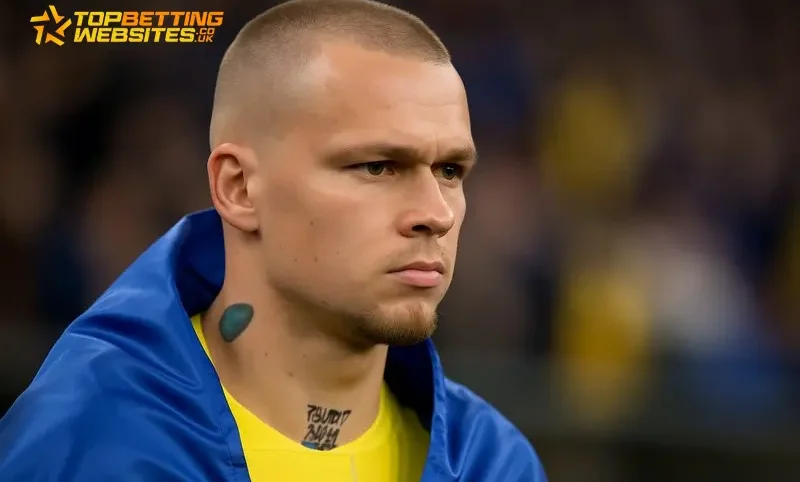
File this one under rumour running faster than reality. Reports that Chelsea winger Mykhailo Mudryk is swapping boots for spikes to chase a place at the 2028 Olympics have been firmly dismissed by Ukraine’s athletics hierarchy. With the winger provisionally suspended since December 2024 after a positive test and his case still ongoing, the idea of a rapid lane-change to the track always felt fanciful.
The rumour that ran before it could walk
A Spanish outlet floated the notion that Mudryk – clocked at a blistering 36.67 km/h on his Premier League bow – was eyeing a sprint career and a path to Los Angeles in 2028. That report was later removed, and Ukraine’s Athletics Federation quickly poured cold water on the whole thing. Officials say they have received no approach from the player and, with the anti-doping investigation unresolved, it isn’t on any agenda.
The essential point: Ukraine’s athletics bosses say there’s been no contact from Mudryk, and while the anti-doping case is active, the subject isn’t up for discussion.
Why the sprint switch never stacked up
Let’s be honest: straight-line pace on a football pitch doesn’t automatically translate to elite times in spikes. Top sprinters live in the blocks, nurse every stride, and build a speed endurance base that takes years. Even if Mudryk is lightning over 30–40 metres in boots, there’s a chasm between that and the technical, repeatable velocity needed to mix it with the world’s best over 100 or 200 metres.
There’s also the small matter of process. To join a national track set-up, you need dialogue, monitoring, qualification standards and a clear plan. None of that is in play here, according to the federation. File it under intriguing pub chat rather than a genuine performance pathway.
The Chelsea context
Mudryk arrived at Stamford Bridge in January 2023 in a deal rising towards £89m, one of the first headline buys of the new regime. The debut cameo at Liverpool teased something electric, but consistency never followed. By late 2024, a provisional suspension after a positive test had him sidelined; he hasn’t played since November that year. His No 10 shirt has since gone to Cole Palmer, the new poster boy in west London.
For Chelsea, this is another twist in a turbulent recruitment tale. The club bet big on potential; they’ve ended up with a saga. Until the case is concluded, there’s little more to do than wait and see what the authorities decide.
What next for Mudryk?
First and foremost, the anti-doping process must run its course. Only once there’s clarity can any conversation about the player’s future – in football or elsewhere – be taken seriously. If the football path opens up again, he’ll need to rebuild trust and rhythm. If not, a switch to another sport would still require time, planning and buy-in from the relevant bodies – none of which exist today.
For fans trying to read the tea leaves – and for punters combing through the market chatter on best betting sites – the sensible takeaway is simple: ignore the noise until the facts change.
Pundit’s verdict
This was an eye-catching headline with little substance behind it. The speed is real; the sprint team talk isn’t. Until the investigation wraps up, everything else is a sideshow. If Mudryk gets another footballing chapter, it’ll come down to application, coaching and a clean slate – not a lane draw in Los Angeles.