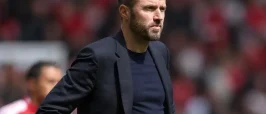
Newcastle’s January War Chest and the Arsenal Blueprint: Howe’s Defining Test

This is the moment for Eddie Howe. Four years into the project, Newcastle United’s grand plan has reached a fork in the road. The club has cash, clearer headroom under the Premier League’s spending rules, and a January window beckoning. Now they need the conviction — and the clarity — to use it properly. If Howe wants to keep steering this ship, he must take a leaf out of Arsenal’s playbook: smart structure, sustainable spending, and relentlessness in returning to the Champions League — not once, but season after season.
Howe’s tenure: early strides, rising pressure
Howe arrived as the antidote to St James’ Park malaise and duly reset the standards. He dragged Newcastle to fourth in his second full season, then followed up with seventh, before last term’s fifth-place finish and a long-awaited Carabao Cup triumph put silver polish on the project. European nights are back on Tyneside, and that matters.
But this campaign has been sticky. Newcastle sit 14th with three wins from 11, and an untidy run before the international break — defeats to Brentford, West Ham and Brighton in four — has dialled up the noise. The goodwill remains, but this is a results industry and the owners expect momentum towards the top four.
The Isak sale and a messy summer
The summer was dominated by Alexander Isak’s protracted £125m switch to Liverpool — a British-record fee and a seismic departure. He’d plundered 56 Premier League goals in 86 games and was central to the thrust of Howe’s attack. Meanwhile, ambitious moves for Benjamin Sesko, Hugo Ekitike and Marc Guehi fizzled out. When business finally got done, it was late and pragmatic: Yoane Wissa for £55m from Brentford at the death, and German striker Nick Woltemade from VfB Stuttgart for north of £69m.
None of that screams “A-list plan executed to perfection.” It looked reactive, and that’s precisely why January must be proactive.
PSR reality check: why the brakes were on
Newcastle’s growth has been shaped by the Premier League’s Profit and Sustainability Rules, capping losses at £105m over three years (with sensible deductions for infrastructure, academy, women’s team and community spend). The established elite, swollen by years of Champions League revenue, enjoyed a freedom Newcastle simply didn’t. Everton — twice — and Nottingham Forest have already learned the cost of getting this wrong via points deductions.
Newcastle, therefore, moved in bursts: the likes of Isak’s original fee from Real Sociedad (around £63m) and Sandro Tonali (close to £50m) one window, then a pullback the next — and player trading to balance the books. Selling homegrown talents such as Elliot Anderson to book pure profit was part of the calculus. Building sustainably takes time when your rivals have a head start.
Champions League money: the accelerator
Europe has changed the maths. Newcastle have banked an estimated £30m–£35m from this Champions League campaign already. There’s roughly £17m just for reaching the groups, with wins worth around £2.4m and draws £800k, adding another £6m–£8m depending on results. Coefficient and market-pool distributions contribute roughly another £7m.
Matchdays at St James’ Park under the lights aren’t just atmospheric; they’re lucrative. Each home group game pulls in an estimated £2m–£3m, so three fixtures deliver about £6m–£9m. Make the last 16 and there’s an extra £8.2m in UEFA prize money and another packed house worth £3m-plus. Factor in broadcast uplift and you’re looking at a potential total near £55m this season — not small change, and crucially, it eases PSR pressure.
Amortisation explained — and why Isak’s sale matters
Clubs spread transfer fees over contract length via amortisation. A £50m signing on a five-year deal hits the books at £10m per year. Sell before the end, and you only book a profit if the fee beats the remaining book value.
In Isak’s case, his annual amortisation sat at about £10m. Three years in, around £30m had been expensed, leaving a £30m book value to 2028. Selling at £125m yields roughly a £95m accounting profit. Unlike signings, sales hit the books immediately, which frees space under PSR and improves cash flow. That matters when you want to front-load payments and win negotiations — as seen in Newcastle’s push for Wissa.
Wissa, Woltemade and the ledger
Brentford initially knocked back £35m plus £5m in add-ons for Wissa, holding out closer to £60m. The compromise? £50m guaranteed with £5m in add-ons, aided by the player signalling he fancied the move. He turns 30 next summer, so you’re not buying resale; you’re buying output. Spread the £50m over four years and the annual hit is £12.5m.
Woltemade’s £65m guaranteed fee over five years lands at £13m annually. With Isak’s £30m book value off the books, the combined net rise in amortisation for both incoming attackers is just £5.5m per year. Put simply: Newcastle now have the financial room to act — in January and beyond.
What January must look like
This window can’t be scattergun. Newcastle need a centre-half with recovery pace, a line-breaking midfielder who can carry and create, and one more wide forward with end product. Above all, they need certainty: targets identified early, bids structured smartly, and deals landed without the late-window scramble. The squad’s core is good; it needs two or three Champions League-level additions, not six experiments.
Commercially, there’s no need for panic. The Champions League income, the Isak profit, and improved cash flow mean Newcastle can pay with authority. But the football logic must lead the finance — not the other way round.
Copy Arsenal’s method, not just their signings
Arsenal’s revival wasn’t built on one summer spree; it was the product of aligned decision-making, a firm wage structure, and the courage to double down on the right profiles window after window. Newcastle must do the same: recruit to a clear identity, protect dressing-room standards, and prioritise availability and athleticism to sustain a 50-game season. Nail that, and top-four football becomes a habit, not a hope.
And for those who like to keep an eye on the market beyond the white lines, our hub for the best betting sites is only ever a click away.
Howe’s verdict window
Let’s be blunt: January is Howe’s audition for the next phase. The owners want champions-league regularity and progress on the pitch. With the finances strengthened and the runway clear, there are no excuses left — only execution. Deliver the right profiles, reignite the league form, and the Magpies will soar again. Fluff it, and the conversation inevitably shifts to whether someone else should be trusted to spend the summer war chest.
It’s time to follow the Arsenal blueprint — patience, precision, and a plan. Get this right, and St James’ Park will be thundering to knockout anthems well into spring.