From Edgeley Park to Anfield: Oliver Holt’s Top 10 from the 92
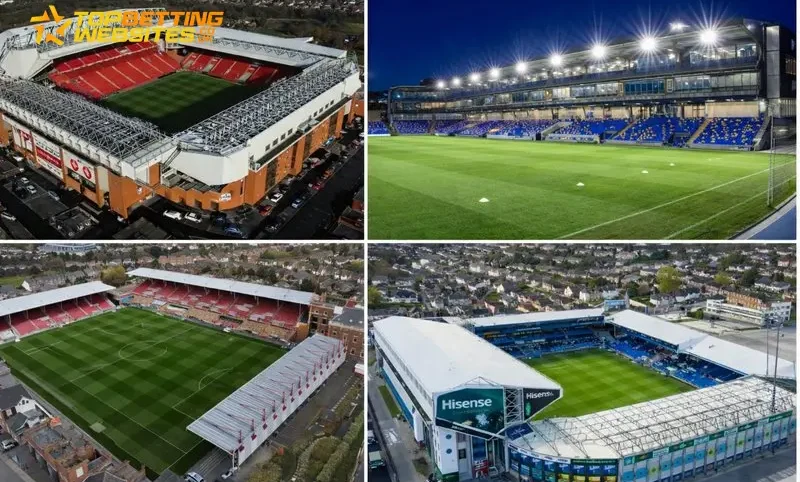
Trust a grand tour of all 92 to remind us what really matters. Oliver Holt’s whistle-stop pilgrimage through English football has served up a top 10 that prizes soul over steel, community over cosmetics. This is a ranking that celebrates noise, nostalgia, and the places where football still feels like it belongs to the people—and it throws a few cat among the pigeons with only five Premier League grounds making the list.
If your idea of a great ground is glass, chrome and a megastore the size of a small airport, look away now. If it’s goosebumps, grit and that unmistakable sense of home, you’re in the right place. And if you fancy a flutter on the weekend’s action while you’re at it, the best betting sites have you covered.
10) Old Trafford, Manchester United — Capacity: 74,197
Yes, it’s creaking at the seams and badly needs TLC, but the Theatre of Dreams still crackles with history. You feel the weight of Busby, Best and beyond the moment you climb the steps. Talk of a gleaming new super-stadium is all well and good, but replacing that aura? Good luck. The ground remains grand; it’s the team that needs to match the myth.
9) Elland Road, Leeds United — Capacity: 37,608
Leeds may not always be Premier League, but Elland Road always feels big-time. It’s a one-club city’s heartbeat—hot-blooded, hostile and honest. The noise tumbles down the stands, the intensity never dips, and you come away sensing the place means more than just the 90 minutes. Proper football ground, this.
8) St James’ Park, Newcastle United — Capacity: 52,258
Perched above the city like a fortress, St James’ Park sets the tone before you’ve even found your seat. When Newcastle are flying, the Gallowgate roars like few ends in the land. With away fans marooned high up, visiting sides have to scrap just to be heard—never mind to win.
7) Holker Street, Barrow — Capacity: 6,500
Small? Sure. But it’s raw, real and raucous—football with its sleeves rolled up. Friendly faces at the turnstiles, a terrace that bites back, and the kind of matchday pie you’ll tell your mates about. Frontier stuff. For the stat lovers: Barrow’s best league finish was 8th in the old Third Division back in 1967–68. It’s a club—and a ground—that refuses to be ignored.
6) Tottenham Hotspur Stadium, Tottenham Hotspur — Capacity: 62,850
The modern benchmark. A jaw-dropper without feeling soulless, helped by that towering single-tier South Stand that squeezes the pitch like a concert venue. Say what you like about Spurs’ ups and downs on the grass, but the stadium itself is a legacy piece—ambition cast in steel.
5) Cherry Red Records Stadium, AFC Wimbledon — Capacity: 9,150
Built on graft, heart and the refusal of supporters to let their club’s spirit be carted off down the motorway. You don’t come here for architectural frills; you come for belonging. The stands hum with pride, the badge feels earned, and the whole place is a reminder that fans can write the ending when they stick together.
4) St James Park, Exeter City — Capacity: 8,714
Not the St James’ Park you first thought of—this one runs on community and care. There’s character in every corner, and a warmth that sticks with you long after full-time. The little touches matter here; even a humble cuppa feels like part of the welcome. A gem that proves smaller can be smarter.
3) Hill Dickinson Stadium, Everton — Capacity: 52,769
Goodison’s goodbye was emotional, but Everton’s new home hits the sweet spot between modern spectacle and Merseyside identity. It looks the part from the docks and feels like the Toffees inside, which is no small trick. On first big nights, it already stands as a civic landmark—exactly what a club of Everton’s stature deserves.
2) Anfield, Liverpool — Capacity: 61,726
The highest-ranked Premier League venue and you can see why. When the Kop finds its voice, the air tightens and visiting players look like they’ve stepped into a thunderclap. European nights get the headlines, but even on a chilly league weekend the place can swallow teams whole. Majestic—and menacing.
1) Edgeley Park, Stockport County — Capacity: 10,800
The surprise winner? Only if you’ve forgotten what football memories feel like. Edgeley Park is romance and roots, a ground stitched into family stories and local pride. It’s the soundtrack of first games, old viaducts and a town that wears its club on its sleeve. Holt’s choice hammers home the point: the best ground isn’t always the biggest; it’s the one that feels like home.
So there you have it: a top 10 that tips its cap to atmosphere, authenticity and the matchday moments you can’t buy. If the game’s future is to be as rich as its past, more new builds will learn from places like these—stadiums that make you feel something the moment you walk in.