VAR tapes drop: Why Man City’s late Anfield strike was scrubbed — and why the row rumbles on
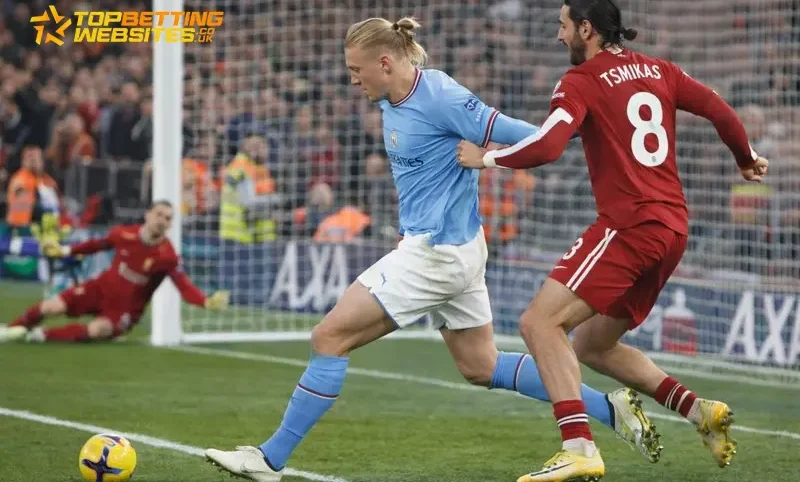
Trust the Premier League to serve up late drama and a week’s worth of pub chat. Liverpool v Manchester City in early February already had a bit of everything — Arne Slot’s lot ahead through a Szoboszlai stunner, City turning it around late via Bernardo Silva and Erling Haaland — and then, in stoppage time, chaos. With Alisson miles upfield, Haaland streaked clear, there was a tangle with Szoboszlai, the ball ended up in the net, and bedlam in the away end. Goal given on the field… briefly. Then came the U-turn: goal chalked off and Szoboszlai sent off. Now the PGMOL have released the VAR audio and full transcript to show exactly how they got there.
What the tapes actually say
The on-field decision from Craig Pawson was “goal”, having tried to play advantage when Szoboszlai first pulled Haaland back outside the box. In Stockley Park, VAR John Brooks and his team identified two separate fouls in quick succession: first, Szoboszlai’s pull on Haaland — which, because it happened outside the area with the City striker bearing down on an empty goal, ticks the denial of an obvious goalscoring opportunity (DOGSO) box — and second, Haaland then grabbing Szoboszlai as the ball rolled through, stopping the defender from clearing it. That second offence directly leads to the ball crossing the line, so the goal can’t stand.
The logic in the booth was blunt: you can’t play advantage on the first foul and then ignore the second. Because Haaland’s hold enables the goal, VAR recommended an on-field review to disallow the strike, give City a direct free-kick for the initial foul, and show Szoboszlai a red card for DOGSO. Pawson went to the monitor, agreed, and that’s exactly how it restarted.
Webb’s explanation: law over ‘feel’
On Match Officials Mic’d Up, Howard Webb laid it out in plain terms. He acknowledged referees need feel and common sense, but said there’s a limit: the only reason the ball ends up in the net is because Haaland clearly fouls Szoboszlai, so you can’t let the advantage ride from an offence that’s then followed by a decisive counter‑offence. The officials must go back to the first foul — Szoboszlai’s pull outside the area — award the free-kick to City and send the Liverpool midfielder off for DOGSO.
Neville baffled, Pep bristling — and fans split
Gary Neville didn’t hide his disbelief, essentially arguing no proper football person would scrub that goal given the state of play. Pep Guardiola, too, was unimpressed with the decision-making on the night. But the audio makes clear the crew followed the letter of the law: once Haaland’s foul is spotted and deemed to have directly enabled the goal, the finish can’t count, however tidy it looked as it trickled in.
My take: clarity helps — even if it won’t end the arguments
This is one of those moments where the law book trumps the vibe. In a Sunday league, that probably stands and everyone shrugs. In the Premier League, under the microscope, you simply can’t allow a goal that’s born of an attacking foul — and you can’t ignore the original DOGSO, either. Fair play to PGMOL: the transparency here is useful and the process, for once, sounds coherent.
Transparency around VAR is the battleground now — communication, speed and consistency will decide whether supporters buy in. While you’re tracking the twists and turns of the title race as closely as the next fan, our hub for odds and offers on best betting sites is a handy one‑stop. But on this call, the audio backs up the referee: disallow the goal, City free-kick, Szoboszlai off.
The bottom line
PGMOL’s release shows why the goal couldn’t stand and why Szoboszlai saw red: initial DOGSO by the Liverpool man, followed by an attacking foul that directly produces the ‘goal’. City still won 2-1 at Anfield, but the closing chapter will keep VAR front and centre — and the debate purring — for a while yet.