Money Talks: World Cup Hydration Breaks Poised To Crash The Premier League
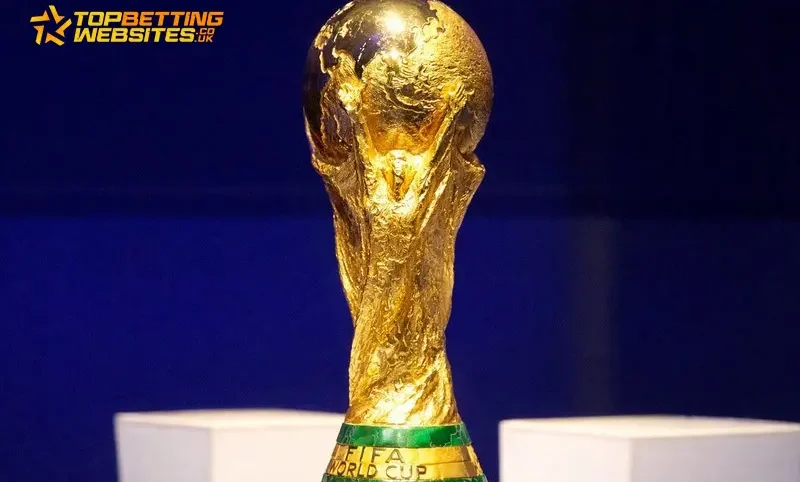
The whispers are growing louder: the Premier League may be nudged toward adopting World Cup-style hydration breaks after their lucrative debut on the global stage—whether match-going fans like it or not. Broadcasters love the stoppages, the accountants adore them, and the suits will find it mighty hard to ignore the cash.
What changed at the World Cup
This summer’s tournament wasn’t short of tinkering. More teams in the mix, a tweak to yellow-card thresholds, and even in-ball tech—think a footballing version of Snicko—to help VAR judge last touches and fine margins. There was even talk of a full-blown half-time spectacle at the final, the sort of razzmatazz that feels a million miles from a drizzly Tuesday in the English top flight.
But the real lightning rod? FIFA’s mandated three-minute pauses midway through each half. Coaches grumbled it chopped up their patterns, players said it killed the rhythm, and the in-stadium response was… let’s just say unmistakably vocal.
Why TV can’t get enough
Follow the money and it all clicks. Those mid-half stoppages opened up an extra four minutes and 20 seconds of advertising space per match. Across the whole tournament, that added up to a staggering seven hours, 30 minutes and 40 seconds of extra commercial inventory beamed to living rooms worldwide.
Stateside, the sums are eye-watering. According to ESPN, a 30-second slot on Fox Sports averaged between $200,000 and $300,000, jumping to around $750,000 in the latter stages. With up to eight extra 30-second windows carved out by those breaks, the new format alone is projected to have cleared well north of $250 million—more than half of the $485m Fox paid for English-language rights to the tournament. Broadcasters in the Premier League, La Liga, Serie A and the Bundesliga will be looking at those figures and licking their lips.
Football folk aren’t having it
From the technical area to the terraces, the reception was frosty. Managers talk about lost momentum and torn-up game plans; players insist the sport’s natural flow is being traded for commercial time-outs; supporters boo because, well, it feels like the match has been put on hold for a sales pitch. It’s the creeping Americanisation of the game, and many in England want no part of it.
Yet here’s the uncomfortable truth: three-minute, TV-friendly breathers look less like a passing fad and more like football’s next big fault line—between the purity of the spectacle and the pressure to monetise every spare second.
Why the Premier League will struggle to say no
Media insiders are already framing hydration breaks as a headline item in the next round of rights talks. One prominent sports business writer suggested the true legacy of this World Cup won’t be conspiracy theories or refereeing debates—it’ll be the breaks themselves. And as former TV executive David Levy told ESPN, once something this profitable proves its worth, reversing course becomes very difficult.
Don’t be shocked if the MLS and NWSL jump first; their franchise culture and stop-start rhythms in other US sports make it a natural fit. Europe may take longer, but when the cheques get big enough, resistance often melts. The Premier League, for all its traditions, is still a global entertainment product—owned by billionaires, watched by billions, and bankrolled by broadcasters.
What it means for English football
Bring these stoppages to England and the matchday experience changes—forever. You can imagine the optics: players huddling for tactical tweaks, sponsors plastered everywhere, and a soundtrack of jeers from the Kop to the Clock End. PGMOL and league chiefs would insist it’s about player welfare and clarity. Fans would call it a cash grab. Both things can be true.
Clubs will quietly run the numbers. If in-game pauses add serious value to the next TV deal, that money filters into wages, transfers and facilities. The question is whether the league can introduce them without mangling the tempo that makes English football such a global draw. A trial? Weather-dependent windows? Or a hard no, at least for now?
The verdict
This is the sport’s new tug-of-war: authenticity versus revenue, rhythm versus ad breaks. The World Cup has set the template; broadcasters have seen the returns. The Premier League can expect the sales pitch any day now. Whether supporters will buy it is another matter entirely.
For punters keeping an eye on markets across the fixture list and the latest odds moves, the chatter around stoppages is already filtering into the conversation on the best betting sites. Wherever you stand, keep your whistle handy—this debate’s only just kicked off.