Battered But Unbowed: Rio Ferdinand Lifts the Lid on Post‑Career Pain
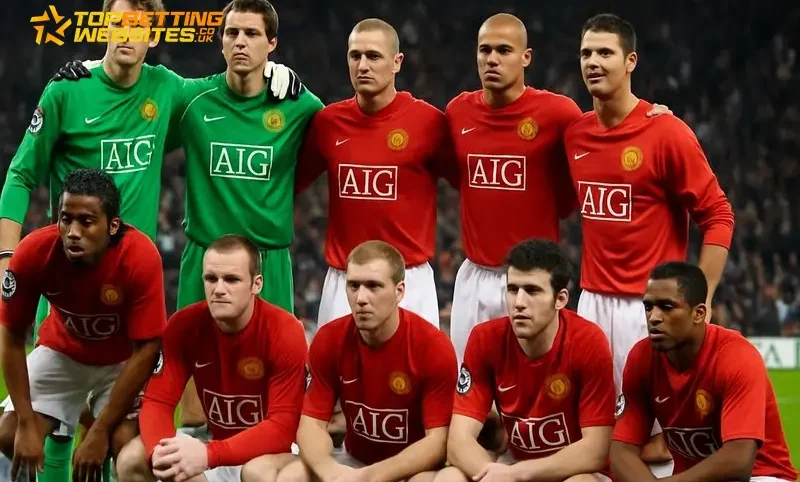
Let’s have it right: Rio Ferdinand was a Rolls-Royce of a centre-half in an era that loved a crunching tackle. Now 47, the Manchester United and England great has admitted that years of punishment have left him with chronic back problems so severe that, on bad days, he ends up in hospital or even using a wheelchair for a couple of days. It’s the unglamorous bill that arrives long after the medals are tucked away.
The price of playing at the very top
Ferdinand’s CV is the stuff of legend: six Premier League titles, a Champions League, and close to 600 senior appearances for club and country before calling it a day in 2015. He anchored United’s back line through a more rugged period of English football, when referees allowed plenty of “honest contact” and centre-backs were expected to win their battles the hard way. His partnership with Nemanja Vidić was the gold standard, and he’s even admitted that the sublime Dennis Bergkamp was one of the trickiest customers he ever had to mark.
Back trouble that never truly left
For a player who lasted as long as he did, Ferdinand actually logged relatively few official injuries. But the recurring issue was always his back. The longest lay-off came in 2009/10, a two-month spell that cost him around 15 matches, and similar flare-ups dotted earlier seasons. To keep going, he relied on painkillers and injections for years—standard practice back then, but a heavy tab to settle later in life. Now, he says the pain can strike out of the blue, sometimes bad enough to park him in a hospital bed or a wheelchair until it eases.
From firefighting to prevention
Post-retirement, Ferdinand has finally leaned into a joined-up plan: regular sessions with a physio, hands-on work to get his body moving properly again, and a personal trainer in the same building to keep the rehab aligned with his gym work. It’s a holistic approach that flips the old script—less firefighting, more prevention. He’s frank that it’s taken him years to truly understand what his body needs, but the penny has dropped.
Still grafting, still setting standards
The 81-cap England defender isn’t about to put his feet up, either. He’s kept a regular gym routine and an active lifestyle, partly to set the right example for his five children after relocating to Dubai last year, and partly for his own headspace. He talks about being raised by grafters—and he wants the kids to see the same ethic: work hard, look after yourself, and keep moving forward.
Pundit’s verdict: a warning and a waypoint
Ferdinand’s story is a stark reminder for today’s pros. Sports science has come on leaps and bounds, but the temptation to mask pain rather than solve it remains. The modern game is quicker, the schedules are heavier, and recovery is king. Clubs and players who prioritise prevention will squeeze out a few extra peak years—and avoid paying quite as brutal a price in retirement.
For supporters—and those trawling the best betting sites before the weekend slate—this is a timely nudge about what it really costs to perform at the elite level. Behind the trophies and the TV gloss, real bodies take real hits. Ferdinand has the medals and the scars to prove it, and he’s still fighting the good fight.