Diouf’s Anfield Regret: Why He Says He Should’ve Picked Man United
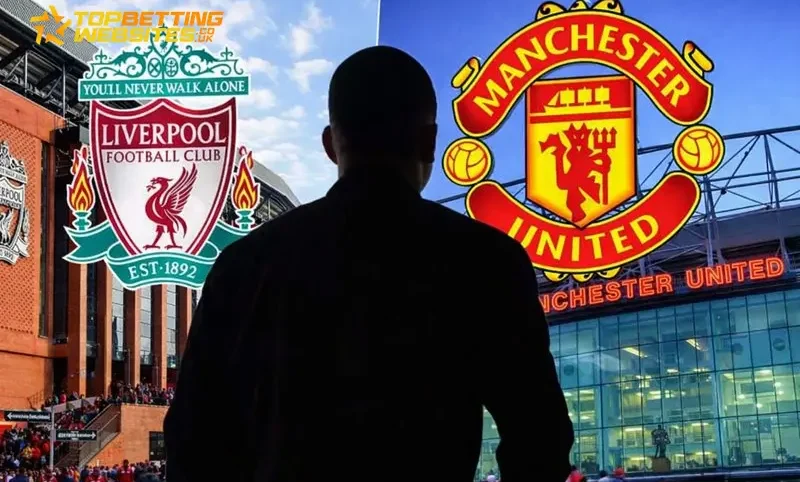
Choosing between Liverpool and Manchester United is like picking between two crown jewels of English football – glittering, iconic, and guaranteed to split a room. But for El Hadji Diouf, the call he made back in 2002 has gnawed away at him ever since. Years later, he openly reflected that he should have gone to Old Trafford (or even Barcelona) instead of Anfield. On the evidence, it’s hard to argue.
The move that promised plenty
Fresh from lighting up the 2002 World Cup with Senegal, Diouf arrived from Lens for around £10 million, the marquee name in a double swoop that also brought in compatriot Salif Diao. The stage looked set: a roaring Anfield, a manager in Gérard Houllier who believed, and a debut that delivered two goals and a booming ovation. It felt like a launch pad.
But it never became lift-off. After that first flourish, the goals dried up. He didn’t notch another league strike until spring, and the following Premier League campaign passed without a single top-flight goal. In total at Liverpool: 80 appearances, 6 goals, 13 assists, 19 yellow cards and 2 reds – more bookings than goals, a stat that tells its own story.
Flashpoints and fallout
Diouf’s time on Merseyside will always be shadowed by the infamous night at Celtic Park in March 2003. Spitting at a supporter brought a police interview, a UEFA suspension for two European matches and a club fine reported to be around £60,000 (effectively two weeks’ wages). The incident crystallised an image he struggled to shake: talented, yes, but combustible and costly.
By the time Houllier moved on in 2004, even he accepted the signing hadn’t worked. The relationship between player and crowd had soured, Anfield impatient with the meagre return and the never-ending drama.
‘I’d have chosen United’ – the regret, years on
Speaking in 2018, Diouf didn’t mince his words: Liverpool, he said, was the move he regretted most, and with the clock again at zero he would have plumped for Manchester United or Barcelona, both of whom had shown interest at the time. It’s a sliding-doors moment in technicolour. Join Sir Alex Ferguson in 2002, and he likely collects a Premier League medal in 2002–03. Different manager, different culture, different demands – perhaps a different career altogether.
Teammates’ verdicts: frank and unforgiving
Inside the Liverpool dressing room, the reviews were chilly. Jamie Carragher has long argued Diouf’s strike rate was among the poorest for a Reds forward and even highlighted the ignominy of a No 9 going a full league season without scoring, adding he was often the last picked in training games. Steven Gerrard, in his autobiography, questioned Diouf’s attitude and commitment to the shirt, suggesting he didn’t see the selflessness required at a club with Liverpool’s expectations.
What came next
After Anfield, Diouf had to recalibrate. A spell at Bolton helped repair some stock under Sam Allardyce, then Sunderland and Blackburn followed, with further stops at Rangers, Doncaster and Leeds before a final chapter in Malaysia. He called time on his career in 2016 – a far cry from the stardust many predicted after Korea/Japan 2002.
The pundit’s take
This is the cautionary tale every rising star should study. Ability opens the door, but mentality, discipline and the right environment decide whether you stride through or trip over the threshold. Liverpool asked for control and end product; too often they got controversy and cards. United under Ferguson might have given him tighter guard-rails – or it might have combusted even quicker. We’ll never know.
If you’re weighing up the weekend’s fixtures and fancy a flutter, our betting sites uk recommendations can help you separate hype from value – but remember this: never back reputation alone; the fit, the manager, and the mindset are what truly swing the odds.
Final whistle
Diouf’s Liverpool chapter is remembered for all the wrong reasons: a spectacularly slow return in front of goal, a headline-grabbing suspension, and friction with club icons. He says he chose the wrong giant. On the pitch and off it, the record suggests he’s got a point.