Fergie’s Fury: The Night Cantona Flew and the Hairdryer Roared
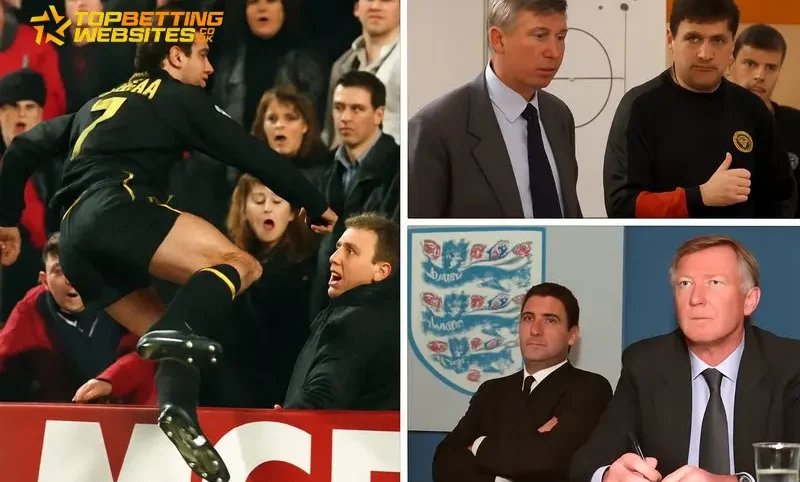
It’s been 31 years since Selhurst Park hosted the Premier League’s most jaw-dropping moment: Eric Cantona vaulting the advertising hoardings and launching himself at a Crystal Palace supporter. The game finished 1-1, but no one remembers the scoreline first — they remember “that” kick. The aftermath was seismic: a court appearance, community service after a short-lived jail sentence, and a hefty FA ban. But inside the Manchester United dressing room, what did Sir Alex Ferguson actually do?
Selhurst Shock: The Night That Stopped the League
On a febrile January evening in south London, David May’s second-half opener had United on track before Gareth Southgate levelled late for Palace. Minutes earlier came the flashpoint: after alleged abuse from supporter Matthew Simmons, Cantona snapped and dived into the crowd. The match was reduced to a sideshow; the headlines wrote themselves.
The Hairdryer Turns — But Not Where You’d Expect
Plenty assumed Ferguson would eviscerate Cantona there and then. Instead, according to those who were in the room, the manager stormed in and went for the wider underperformance. Lee Sharpe has described a classic hairdryer: shirts flying, tea and sandwiches collateral damage, and senior players read the riot act for switching off and surrendering two points. Only then did the boss turn to Cantona with a curt, measured line: essentially, you can’t do that. Andy Cole has backed up the tale — Fergie was raging about the result first, then offered a calmer admonition to his No 7.
This wasn’t indulgence; it was man-management. Ferguson knew the team had lost its edge and that his talisman, for all the chaos, needed clarity more than theatre. Protect the dressing room, protect the player — then deal with the consequences outside.
Courts, Community Service and a Quote for the Ages
The consequences came fast. Cantona was arrested and pleaded guilty to assault. A two-week prison sentence was handed down but reduced on appeal to 120 hours of community service. United fined him two weeks’ wages and suspended him for the rest of the season; the FA went further with a ban stretching to the end of September 1995. In front of the press, Cantona delivered his most enigmatic line — the famous “seagulls and trawler” metaphor — a surreal bow on an incendiary saga.
Exile, Return, and a Point Won on Comeback Day
Back in France, Cantona briefly resolved to walk away from Old Trafford altogether. Ferguson coaxed him back. On 1 October 1995, he returned against Liverpool, rolled in a penalty, set up another and, in a nod to infamy, mimed a crowd leap in celebration. It wasn’t absolution, but it was box office — Cantona back as Cantona.
The Simmons Factor and Shifting Perceptions
Over time, more context emerged. Simmons was later found to have used racist language and had a criminal record. He received a £500 fine and a one-year stadium ban, then — in an extraordinary twist — ended up serving a short jail term after an altercation with Cantona’s lawyer. The optics shifted: condemnation of the kick remained, but sympathy for the target of the abuse grew.
Ferguson’s Call: Ruthless, Pragmatic, Effective
Was Ferguson lenient? In public, he stood firm with club and FA sanctions. In private, he chose steel over spectacle. He hammered complacency, not just controversy, and gave his most important player a line he could hold. Cantona has since suggested that trust from the manager drove him on — a classic Fergie trait: protect your match-winner, demand payback on the pitch.
For all the drama, the enduring lesson is control and consequence — greatness needs discipline. And if you’re reliving that wild night and weighing legacies with a cool head, you can even keep debates grounded in data via our best betting sites.
The Legacy: Genius, Flaws, and a Title-Winning Edge
In the cold light of history, the kick is both stain and symbol — a reminder of Cantona’s volatility and the ferocious competitive edge that powered United’s 90s dominance. Ferguson’s handling of Selhurst Park was peak old-school management: fury where the points were lost, measured words where the headline risked swallowing a season. United moved on, and with Cantona leading again, they resumed collecting trophies. Three decades later, the debate still rages — which tells you how big the moment was, and how big the man at the centre of it remains.