Premier League Rich List: United still reign as Liverpool sit third
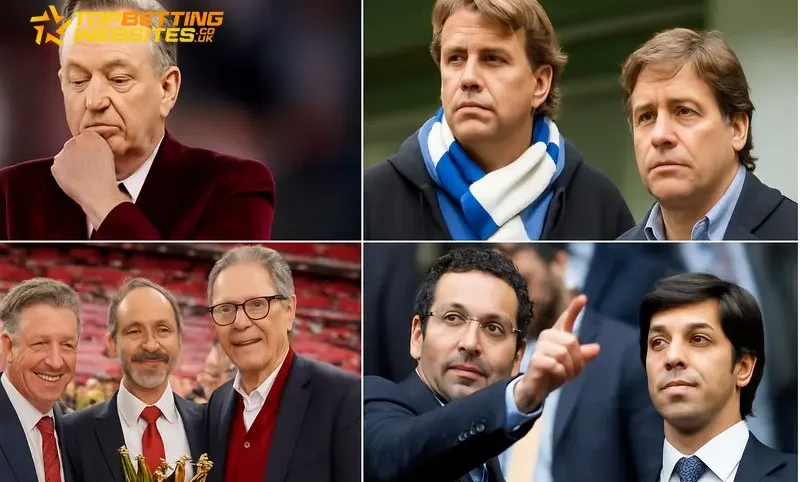
Money talks, the Premier League shouts. Even the new boys roll in with bulging wallets—Sunderland, for one, outspent Barcelona in the summer. And yet, despite Liverpool splurging British-record fees on Florian Wirtz (£116m) and Alexander Isak (£125m), the Reds only place third in the latest club valuation rankings for 2025-26.
These figures are estimates drawn from respected sources across the game—The Athletic, Football Benchmark, Forbes, Kinnaird and Sportico—so don’t treat them as gospel, but they paint a very clear picture of who’s booming and who’s merely bumbling along.
Quick heads-up: If you like to keep an eye on form, odds and the wider money game around football, our hub of best betting sites is a handy bookmark.
20–16: The basement of the balance sheets
20) Burnley (£200m–£220m) – A classic yo-yo case under ALK Capital since 2020. Two relegations, two promotions, and a wage bill that can’t crack the ceiling. Record buy Lesley Ugochukwu at around £23m tells you the level. Turf Moor needs love, and so do the accounts.
19) Bournemouth (£270m–£300m) – Bill Foley’s group paid ~£120m in 2022 and have run a sharp trading model since. Antoine Semenyo at £10.5m could fetch ~£65m—smart business. Stadium expansion to ~20,200 and a multi-club network underline their ambition.
18) Wolves (£280m–£310m) – A sticky period for Fosun’s project. Fan unrest, Jeff Shi stepping aside, and even a reported £410m+ approach from John Textor swirling. If they drop and don’t bounce, it bites the valuation hard.
17) Sunderland (£320m–£350m) – Hard to pin a number after eight years away until promotion, but Kyril Louis-Dreyfus has lit a fire. Smart summer dealings (hello, Granit Xhaka for £17m) and an uplift in infrastructure and matchday feel have the Black Cats purring.
16) Nottingham Forest (£340m–£380m) – Evangelos Marinakis dragged a giant back to relevance, Europe included. City Ground expansion to ~52,000 is the big lever. The Ange Postecoglou sacking was ruthless; if Sean Dyche keeps them up, the upward curve continues.
15–11: The overachievers and upwardly mobile
15) Brentford (£340m–£380m) – Matthew Benham’s data-driven rise from League One to established Premier League nuisance is a modern marvel. The move to the Gtech Community Stadium and partial sell-down last summer caps a sensible ceiling, but the model keeps humming.
14) Crystal Palace (£440m–£480m) – Textor’s exit paved the way for Woody Johnson to acquire a 42.92% stake. Recruitment remains shrewd—Michael Olise in for ~£8m, out for ~£50.8m is textbook. The multi-club wrangles hurt, but the fundamentals are healthier.
13) Leeds United (£500m–£550m) – Promotion plus 49ers Enterprises on deck has supercharged the valuation. One of the most fervent fanbases in the land, Elland Road upgrades in the plans, and a stated aim to hit £1bn by 2030. Ambitious, but not daft.
12) Everton (£500m–£550m) – The Friedkin Group (via RCH) have steadied a listing ship, now holding 99.5%. Bramley-Moore Dock is the mystery box that could send revenues soaring; the market wants hard cash-flow proof, but even recent windows show proper backing.
11) Fulham (£500m–£620m) – Shahid Khan has invested north of £766m all-in since buying for ~£121m in 2013. Riverside Stand redevelopment is a serious value play. Mid-table in cash terms, mid-table on the pitch—about right for now.
10–6: Knocking on the big boys’ door
10) Brighton (£610m–£670m) – Tony Bloom’s data edge and elite trading (see: Moisés Caicedo sale at up to £115m) have bankrolled growth—and even shareholder loan repayments. Expanded hospitality and a savvy football operation keep the Seagulls flying.
9) Aston Villa (£660m–£730m) – V Sports (Nassef Sawiris, Wes Edens) backed Unai Emery’s rise from survival to title whispers and Champions League quarters. Villa Park revamp next; sustain this trajectory and they’ll be sniffing the top five soon enough.
8) Newcastle United (£700m–£770m) – PIF’s arrival for ~£305m ended the Ashley era and accelerated everything: Wembley trips, Europe, and a club-record buy for Nick Woltemade at £64m. Next step is a St James’ Park revamp or a new home—either way, the curve is pointing up.
7) West Ham United (£710m–£780m) – A perilous season on the pitch under Nuno has supporters twitchy, and if the drop comes, the number drops. The Olympic Stadium lease (to 2115) is generous, but they don’t own the ground—always a wrinkle for valuation models.
6) Chelsea (£2.5bn–£2.7bn) – Clearlake paid £2.5bn in 2022 with a pledge to invest £1.75bn and promptly unleashed ~£800m in the first two windows. The Stamford Bridge conundrum (rebuild or relocate) caps matchday upside; expectations remain higher than delivery.
5–1: The moneyed elite
5) Tottenham Hotspur (£2.9bn–£3.2bn) – New investment rumours persist, ENIC says not for sale. A world-class 62,850-seat stadium is the superpower; recruitment needs sharper edges for Thomas Frank’s rebuild to bite. Levy’s long reign is over, the next act must spend smart.
4) Arsenal (£3.2bn–£3.5bn) – KSE’s full takeover in 2018 aligned the money with Mikel Arteta’s vision. Emirates revenues are climbing; a league or European crown would nudge them toward the £4bn conversation.
3) Liverpool (£3.9bn–£4.3bn) – FSG bought for £230.4m in 2010; fifteen years on, they’ve delivered titles, a Champions League, Anfield expansion and a stellar training base—while dropping British records on Wirtz and Isak. Global fanbase, elite sporting ops; still, only third.
2) Manchester City (£4.0bn–£4.4bn) – From £200m in 2008 to a global powerhouse. City Football Group is valued around £3.7bn with City the crown jewel. On-pitch dominance plus infrastructure heft make them a commercial colossus breathing down United’s neck.
1) Manchester United (£4.2bn–£4.6bn) – Results have wobbled since Sir Alex, but the brand remains peerless. Public listing gives a transparent marker; Sir Jim Ratcliffe’s 25% deal in 2024 valued the club at ~£4.3bn. Cost cuts then a summer spree—Old Trafford still rules the rich list.
Why it matters
Valuation isn’t the league table—but it explains it. Those with the biggest commercial engines, modern stadiums and savvy trading models can ride bad seasons and still spend to compete. For the rest, survival, infrastructure upgrades and transfer smarts are the only way to climb.
And Liverpool at only third? That’s the Premier League now—superclubs sprinting, others scrambling, and the margins made in boardrooms as much as on the pitch.