What Really Counts as a Major Trophy? Sorting Football’s Silverware the Proper Way
Let’s have it right: not every shiny pot deserves to be paraded like the crown jewels. In football, a “major trophy” isn’t just about metal and ribbons; it’s about pedigree, jeopardy, and what you’ve had to slay to lift it. There’s no official rulebook, granted, but the game’s history and our collective gut feel draw a pretty clear line between the proper stuff and the polite souvenirs.
How we judge a major
Think of it this way: elite competition level, a demanding path to the final, historical weight, and meaningful reward. If the tournament regularly forces big clubs to bring their A‑game from autumn to spring—and delivers significant stakes for the winner—you’re in major territory. If it feels like a curtain-raiser, a consolation prize, or a warm-weather kickabout, it probably isn’t.
England: the standards and the sticky wicket
The Premier League is the grind that proves greatness—38 games of ruthless consistency. The FA Cup is tradition and jeopardy rolled into one, where giants can still be humbled and Wembley glory still means the world. Those two are unquestionably major.
The League Cup? It’s the tricky one. Yes, it involves the heavyweights, finishes under the arch, and offers a European berth. But its place in the calendar and the squad-rotation reality mean it sits on the borderline—valuable, celebrated, but a notch below the PL and the FA Cup in the prestige stakes.
Europe: the summit and the supporting cast
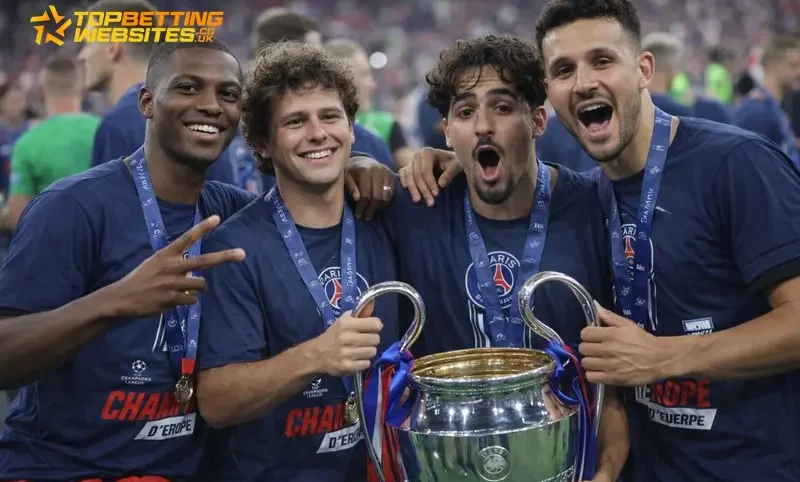
The Champions League is the peak of club football—best versus best, season-long jeopardy, immortality for the winner. The Europa League carries proper heft too: a grueling route, strong opposition, and a trophy that still echoes through history.
The Europa Conference League? A welcome stage for rising clubs and sleeping giants, but it remains a C‑tier competition. Even when a big name goes deep or lifts it—think Roma—it isn’t yet spoken of in the same breath as the other two. Good tournament, good stories, not quite a “major” in the purist’s lexicon.
USA: domestic pride and continental clout
Stateside, the MLS Cup is the domestic crown jewel and a serious honour in its own right. The CONCACAF Champions Cup, though, brings that extra edge—beat the continent and you punch your ticket to the global stage at the FIFA Club World Cup. That international pathway gives it bona fide major credentials.
What doesn’t make the cut—and why
Super Cups (Community Shield and equivalents) are a lovely day out but they’re appetizers, not the main course. The European Super Cup and the FIFA Club World Cup spark debate: you generally need to win a major to get there, which muddies the waters for some supporters who won’t elevate the add‑on beyond the original conquest. Pre-season and invitational tournaments? Fun, fitness, and photo ops—nothing more. Youth trophies, meanwhile, are exactly that: for development, not the senior honours list.
The sextuple: when context changes everything
Barcelona (2009) and Bayern Munich (2020) showed us something rare: sweep the lot—three domestic trophies, Europe, and the Club World Cup—and you create a one-off statement of supremacy. On their own, the Super Cups don’t shift into “major” territory, but within a clean sweep, every piece pulls its weight in a historic feat. It’s less a bundle of six majors and more a single, era-defining mic drop.
The pundit’s bottom line
Major trophies carry consequence. They demand top opposition, sustained excellence, and a legacy that still reads well decades on. Celebrate every win—football is hard and a little luck never hurts—but save the highest pedestal for the competitions that make even the greats sweat.
If you’re weighing up a club’s ambition—or mulling season predictions on best betting sites—remember this: pedigree and peril are what separate the proper pots from the polite ones. The badge looks shinier when it’s been earned the hard way.