Carrick’s Call-Up: Why INEOS Sidelined Solskjaer and What It Means for Man United

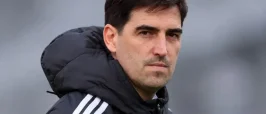
Manchester United have turned to a familiar figure with a cooler head. Michael Carrick, once the metronome in midfield, is now the man charged with orchestrating a late push for the Champions League — appointed until the end of the 2025/26 campaign while Old Trafford regroups after another managerial reset.
Ruben Amorim’s 14-month run ended with a 1-1 draw against Leeds and a prickly post-match turn, and that was that. The numbers weren’t pretty: in the Premier League he took just 15 wins from 47, with 19 defeats and 13 draws — less than a third of matches won. Darren Fletcher steadied things briefly as interim, overseeing a draw with Burnley and defeat at Brighton, before stepping back to the Under-18s as Carrick took the wheel.
Five reasons INEOS backed Carrick over Solskjaer
Let’s get to the meat of it. INEOS — with Sir Jim Ratcliffe setting the tone, and senior decision-makers like chief executive Omar Berrada and director of football Jason Wilcox in the room — felt Carrick was the right short-term fit. Here’s why:
- A laser-focused blueprint to reach the Champions League: According to the i Paper, Carrick laid out a clear, short-horizon tactical plan designed to haul United into the top four. It hit the brief: practical, immediate, and geared to May, not a distant five-year vision.
- He won the room: Those in the interviews were impressed by the detail — structure in and out of possession, game-state tweaks, and selection discipline. After years of drift post-Ferguson, a dose of clarity counted for plenty.
- Backroom clarity: Carrick arrived with a tidy plan for his lieutenants. Expect veteran defender Jonny Evans, England assistant Steve Holland and academy leader Travis Binnion to be prominent voices. Continuity meeting credibility.
- Ole’s rust factor: United’s hierarchy worried about Solskjaer being a touch out of the rhythm. Since leaving Old Trafford he’s had just one job in more than four years — an up-and-down stint at Besiktas — and that lack of recent, consistent touchline time didn’t help his case.
- Terms and timing: Solskjaer was keen on a permanent return if things went well; Carrick fully accepted the short-term brief and the summer exit that comes with it. In a season crying out for clean lines, that simplicity mattered.
There was also the memory of how Solskjaer’s previous spell ended, despite him once pushing United to second and a European final. The crowd might have fancied a nostalgia hit until the summer, but INEOS opted for the cooler, interim head with the sharper plan.
How Solskjaer took the news
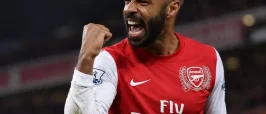
Solskjaer was informed on Monday, the day before Carrick’s appointment went public. Naturally disappointed, yes — but as reported by The Athletic, his preference was always to take the job on a permanent basis rather than as a stop-gap. He made it clear in talks that United need a major rebuild to truly close the gap to the top-four regulars. Even so, he’s supportive of Carrick’s crack at it.
What Carrick wants to change — and fast
Carrick’s pitch leaned on practicality. Expect shape flexibility depending on opponent and injuries: a compact 4-3-3 to control transitions, a 4-2-3-1 to free the No 10 against deep blocks, and a back-three variation when protecting leads. He’ll demand tidier distances between lines and more purposeful pressing triggers in wide areas. Recruitment could complement that, but the immediate job is coaching what’s already there.
The first tests
No soft landing. The Manchester derby is first up, then a trip to league leaders Arsenal. Bank anything from those two, and Old Trafford’s mood music will change quickly. The target is blunt: be in the Champions League shake-up come May, then hand over in the summer to a long-term appointee.
For more context on odds, form and fan sentiment, check our best betting sites hub — but make no mistake: this is about coaching, not coin tosses. Carrick’s choices between now and spring will define United’s season.
Amorim’s end, in brief
Amorim’s Premier League record at United was 15 wins, 13 draws and 19 losses from 47 — a win rate under 33%. A flatline attack and a leaky mid-block told their own story. The post-Leeds frustration felt like the final straw.
Solskjaer’s managerial snapshot
For the record, Solskjaer’s CV still reads well in places: 149 matches for United at 1.79 points per game (78-33-38), two productive spells at Molde (1.85 and 1.84 ppg), a rough ride at Cardiff (1.07 ppg), and that more recent Besiktas stint at 1.72 ppg. All stats per Transfermarkt, correct as of 14/01/2026.
The bottom line
Since Sir Alex walked away, United have been searching for structure as much as star dust. Carrick has the gig because he offered a plan that fits the calendar and the chaos. If he hits his marks, he’ll hand the keys over with Champions League football secured. If not, the summer surgery becomes that much more drastic. Either way, the brief is crystal clear — stabilise, organise, and squeeze every last point from a squad that’s underperformed for too long.