Alarm Bells at Anfield: Pennant’s Stark Warning for Slot After Spurs Stalemate
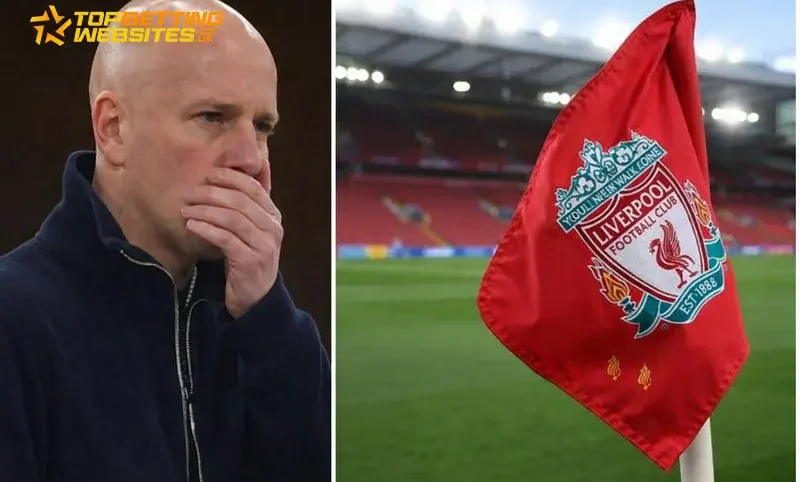
Liverpool were meant to make light work of Tottenham, yet a flat second half and a late sting from Richarlison left Anfield grumbling and Arne Slot under the cosh. On a weekend when rivals stumbled, the champions let two points slip and, with them, a precious chance to tighten their grip on Champions League qualification.
Early promise, late punishment
The script looked set inside 20 minutes. Dominik Szoboszlai whipped in a trademark free-kick on 18 minutes and the Kop fancied a procession. Instead, Liverpool eased off, tempo dipped, and Spurs—winless in 13 and still without a league victory in 2026 under caretaker Igor Tudor—hung around long enough to pinch parity. Richarlison’s late poke levelled it and summed up a night where Liverpool drifted when they should have driven.
All the more maddening given Chelsea and Aston Villa had already dropped points. This was an open invite to make ground; Liverpool declined it.
Pennant’s blast: selection gripes and a worrying theory
Jermaine Pennant, never shy with an opinion, took to X after the match and let rip. The former Red questioned Slot’s in-game calls—arguing Hugo Ekitike should have started, querying why Rio Ngumoha made way while Cody Gakpo stayed on, and calling the decision to withdraw Jeremie Frimpong baffling. He was especially unimpressed with Szoboszlai being shunted to right-back late on and the knock-on effect of bringing Mohamed Salah into a setup that thinned the midfield at the wrong moment.
More pointedly, Pennant floated a darker notion: if the issues are this obvious from the stands, why aren’t they being corrected on the touchline? His implication was clear—there may be unseen forces at play behind the scenes. It’s speculation, of course, but it struck a chord with a fanbase increasingly uneasy with the direction of travel.
Spending, structure and the FSG question
Part of the tension stems from expectation. The summer outlay was framed as record-shattering—talk of Liverpool effectively breaking the British transfer fee mark twice in the same window—and with that came the belief a new era of dominance was loading. Now? The narrative has flipped. Supporters wonder whether Fenway Sports Group are fully backing Slot or, conversely, leaning too heavily into decision-making that should be the manager’s domain. Some have even joined the dots—fairly or not—between those suspicions and the reasons behind Jurgen Klopp’s departure.
What’s not in dispute is the churn. A 14-player turnaround last summer left the squad lopsided: light on genuine wide options and short of trusted defensive depth. When you’re fiddling with your right-back in the final minutes to plug gaps, those cracks become very visible.
For those seeking a cooler head than the Anfield echo chamber, there’s always the outside view. If you’re weighing up the odds on Liverpool’s run-in, take a look at our best betting sites for perspective—yet no market can mask the blunt truth: Liverpool must stop surrendering control in second halves if they want a top-five finish.
Slot under the microscope
This isn’t a manager without credit; Slot delivered the Premier League crown last season. But this campaign has been thin on thrills and, too often, thinner on control. It’s not just about aesthetics—although the football has lost its zip—it’s about game management. Leading against a side in freefall and failing to slam the door invites the sack-race whispers to grow louder.
In practical terms, the owners face fork-in-the-road decisions. Back Slot hard in the summer—address the wings, add defensive reliability, and settle on a consistent midfield core—or consider a reset. With Xabi Alonso currently between jobs, the romantic alternative sits there like a siren call. Tempting? Of course. Sensible? Only if the structure above the dugout is aligned and decisive.
Where this leaves Liverpool
Short term, it’s simple: lift the tempo, lock the back door, and turn dominance into points. The fixture list will not keep offering favours while Villa and Chelsea wobble. The medium term is trickier: clarify who calls the shots, recruit with balance rather than noise, and give Slot a platform—or make a clean break if the belief has gone.
Spurs, for their part, will treat this as a lifeline for Tudor, but no one is getting carried away after one gritty point. The story here is Liverpool. A giant that can still roar, but at the moment, too often chooses a yawn. The talent is there, the resources are there; now the decisions—on the pitch and in the boardroom—must match them.